
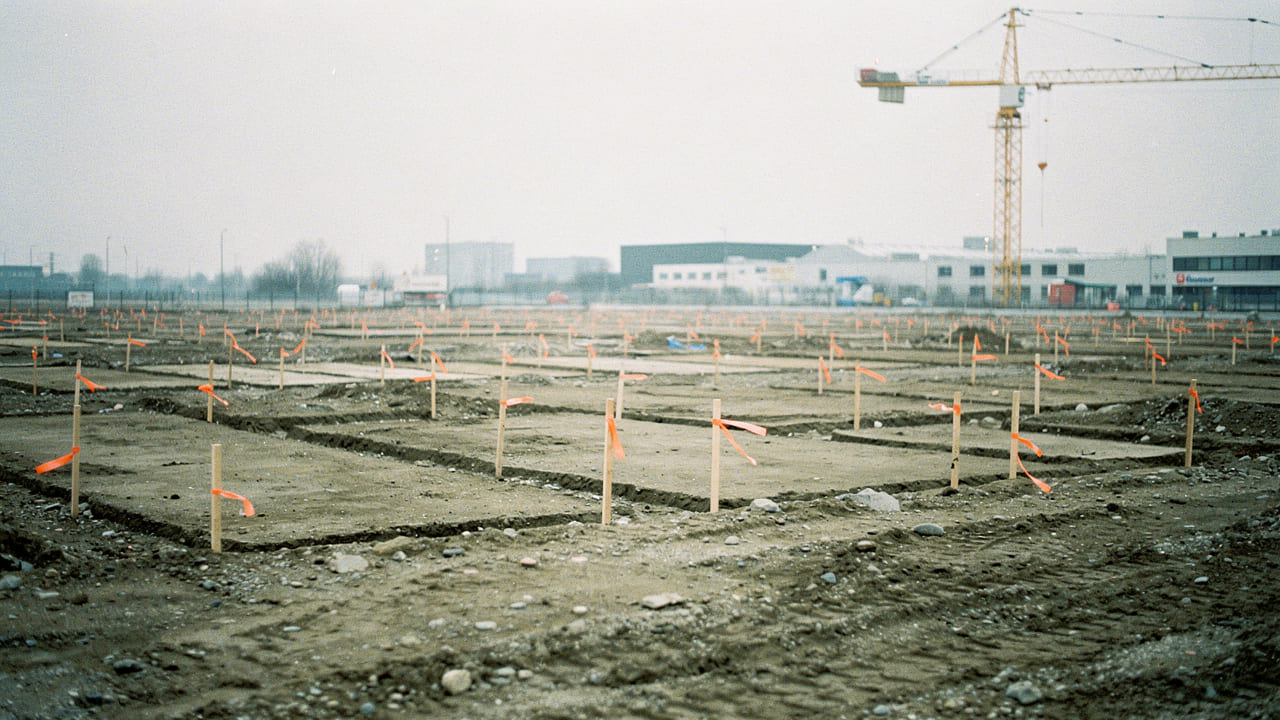
The plan determines the real value of a plot
The title deed of a plot does not say what can be done with the property. The zoning plan says what can be done: the use decision (residential, commercial, industrial, agricultural), the development conditions (floor area ratio, number of storeys, setback distances), the proportions to be ceded for roads and public use. For that reason, in land sales and land disputes the first document examined is not the title deed but the zoning status certificate and the plan notes.
Plan objections: the display period must not be missed
Zoning plans and plan amendments are placed on public display by the relevant administration for one month. An objection to the plan may be lodged within the display period. Objections are examined and decided by the relevant council. If the objection is rejected or not answered in time, an action for annulment is brought before the administrative court.
The most common error here is failing to follow the display notice. No individual service of a plan amendment is made; the notice is displayed and the period starts to run. For owners who hold land in an area for investment purposes, regularly following the display notices of the relevant municipality prevents a loss that is very hard to remedy afterwards.
Permit and construction procedures
The second large group of zoning disputes arises in the construction process:
- Rejection of a building permit application or leaving it pending
- Issue of a construction stop order and sealing of the site
- Demolition decision and application of Article 32 of Law No. 3194
- Zoning fines (Article 42), objection to the calculation of the fine
- Refusal of the occupancy permit (iskan)
All of these are administrative acts; the route of challenge is the administrative courts and the time limit is short. A request for a stay of execution is the most critical part of the file, particularly in demolition decisions: an annulment judgment given after the decision has been carried out does not bring back the demolished building.
Restriction and cession disputes
Part of the property falling within a road, green area or public facility area creates two separate problems for the owner: reduction of the usable area, and a restriction left pending without expropriation. This subject is explained in detail on the expropriation page.
The readjustment share (DOP) deduction is also a frequent subject of dispute: the proportion of the deduction made from the property for public areas during zoning implementation, and which properties it is taken from, is a matter open to review.
Table of time limits
| Act | Time limit |
|---|---|
| Objection to a zoning plan | Within the display period (one month) |
| Action for annulment of an administrative act | As a rule sixty days |
| Objection to a zoning fine | From service, within the period provided by law |
| Request for a stay of execution | Together with the statement of claim |
Time limits may vary with the type of act; the date of service and the type of act must be examined separately in every file. This page is for general information purposes.
What people ask about this area
How do I find out about a zoning plan amendment?
A construction stop order has been issued and construction has stopped. What should I do?
A zoning plan has been placed on display, what should I do?
A construction stop order has been issued, what happens?
If your question is not hereContact