
What we do in this area
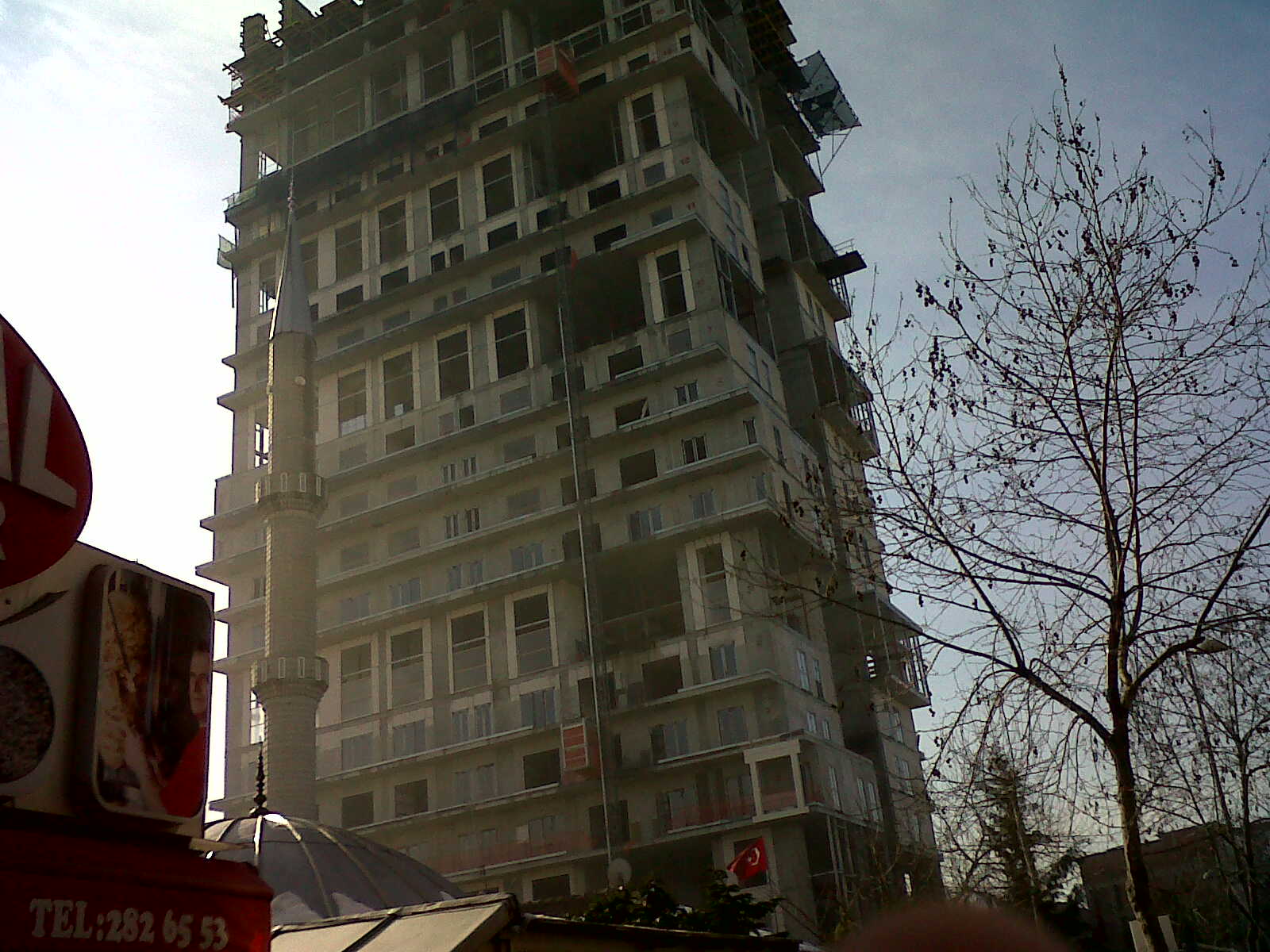
In occupational accident and occupational disease files, the firm acts for the employee and the beneficiaries in proceedings before the Social Security Institution (SGK), in the action for pecuniary and non-pecuniary damages against the employer, and as counsel for the victim and the intervening party in the parallel criminal investigation and prosecution. On the employer side, it sets up the post-accident notification and documentation arrangements, defends against SGK recourse claims and conducts the fault argument in the damages action. Files from the industrial, port and construction sectors in and around İzmir make up the greater part of this heading.
This page is a sub-topic of the employment law tree. For the criminal dimension of the accident, see criminal law; for the question of insured status that must be resolved first in accidents suffered while working unregistered, see the action for determination of employment page.
Which events count as an occupational accident
Under Article 13 of Law No. 5510, an occupational accident is an event that occurs while the insured person is at the workplace, by reason of the work carried out by the employer, while the insured person is sent elsewhere on assignment, during the nursing leave of a breastfeeding female insured person, or while travelling to and from work in a vehicle provided by the employer, and that renders the insured person physically or mentally disabled, immediately or subsequently. The fact that the accident was caused by the employee's own fault does not prevent the event from counting as an occupational accident; fault plays a role in the calculation of damages, and in cases of gross negligence or intent the Institution's payments may be partly reduced under Article 22 of Law No. 5510.
An occupational disease, on the other hand, is a disease arising from a recurring cause due to the nature of the work performed or from the conditions under which the work is carried out (Art. 14). Its determination depends on a report of the Institution's Health Board; an objection to the report is made to the Social Insurance High Health Board. Where the Institution does not accept the disease as an occupational disease, an action for determination must be brought before the labour court before the action for damages.
The three grounds of the file
| Ground | Counterparty | Subject |
|---|---|---|
| Social insurance | SGK | Temporary incapacity allowance, permanent incapacity income, income to beneficiaries in case of death (Article 16 et seq. of Law No. 5510) |
| Action for damages | The employer and, where applicable, the principal employer or other legally liable persons | Pecuniary loss not covered by SGK payments and non-pecuniary damages (Articles 417 and 49 et seq. of the Turkish Code of Obligations (TBK) No. 6098) |
| Criminal proceedings | Public prosecutor and criminal court | Negligent injury or negligent killing (Articles 89 and 85 of the Turkish Penal Code (TCK) No. 5237); the employee or the beneficiaries take part as the victim in the investigation and as the intervening party in the prosecution |
For a permanent incapacity income, a loss of earning capacity in the occupation of at least ten per cent is required (Art. 19). In a subcontracting relationship, the principal employer is liable jointly with the subcontractor for the liability arising towards the subcontractor's employee (Art. 2 Labour Code No. 4857).
How damages are calculated
Pecuniary damages have three variables: the incapacity rate, the degree of fault and the wage. The incapacity rate is determined by the Institution's Health Board or by a Forensic Medicine report obtained by the court; the degree of fault is established by the report of a panel of court-appointed experts in occupational health and safety, and whether the employer fulfilled its obligations under the Occupational Health and Safety Law No. 6331 is argued here. From the loss calculated, the initial lump-sum capital value of the income granted by the SGK, to the extent the Institution may recover it from the employer, is deducted; the settled practice of the Court of Cassation (Yargıtay) is to this effect. Non-pecuniary damages are assessed at the court's discretion having regard to the gravity of the event, the fault of the parties and their economic position (Art. 56 TBK). In case of death, the spouse, children and other dependants claim compensation for loss of support (Art. 53 TBK).
The SGK has recourse against the employer, in proportion to its fault, for payments made in an accident that occurred due to the employer's intent or breach of occupational health and safety legislation (Article 21 of Law No. 5510); if the accident was not notified within the time limit, the temporary incapacity allowance paid up to the date of notification is also recovered from the employer.
Time limits and points to note
- The employer notifies the accident to the law enforcement authorities immediately and to the SGK within three working days of the accident (Article 13 of Law No. 5510; Article 14 of Law No. 6331).
- In the action for damages, the practice of the Court of Cassation applies a ten-year limitation period; in files where the incapacity rate became final later, the start of the period is assessed separately.
- Mediation is not a condition of filing suit in actions for damages and determination arising from occupational accidents and occupational diseases (Article 3 of Law No. 7036).
- The criminal court's assessment of fault does not bind the civil judge (Art. 74 TBK); however, the scene findings and witness statements in the criminal file are used as evidence in the action for damages.
- The accident report, witness list, hospital records, occupational safety training certificates and risk assessment report are collected from the first day; some of the records are held by the employer and are requested through the court.
How a file is handled at the firm is explained on the how we work page.
What people ask about this area
Does an accident in the company shuttle count as an occupational accident?
Can an action for damages also be brought after the SGK has granted an income?
What happens in an accident suffered while working unregistered?
How does the degree of fault affect the damages?
If your question is not hereContact